City: Tumaco
Country: Colombia
Start Date: 2024
Workshop Facilitator: VICTORIA MENA RODRÍGUEZ
File Report: Ver PDF
Link YouTube: https://youtu.be/E3G9beCwX8Y?si=NO_o42suh5Sp5Opv
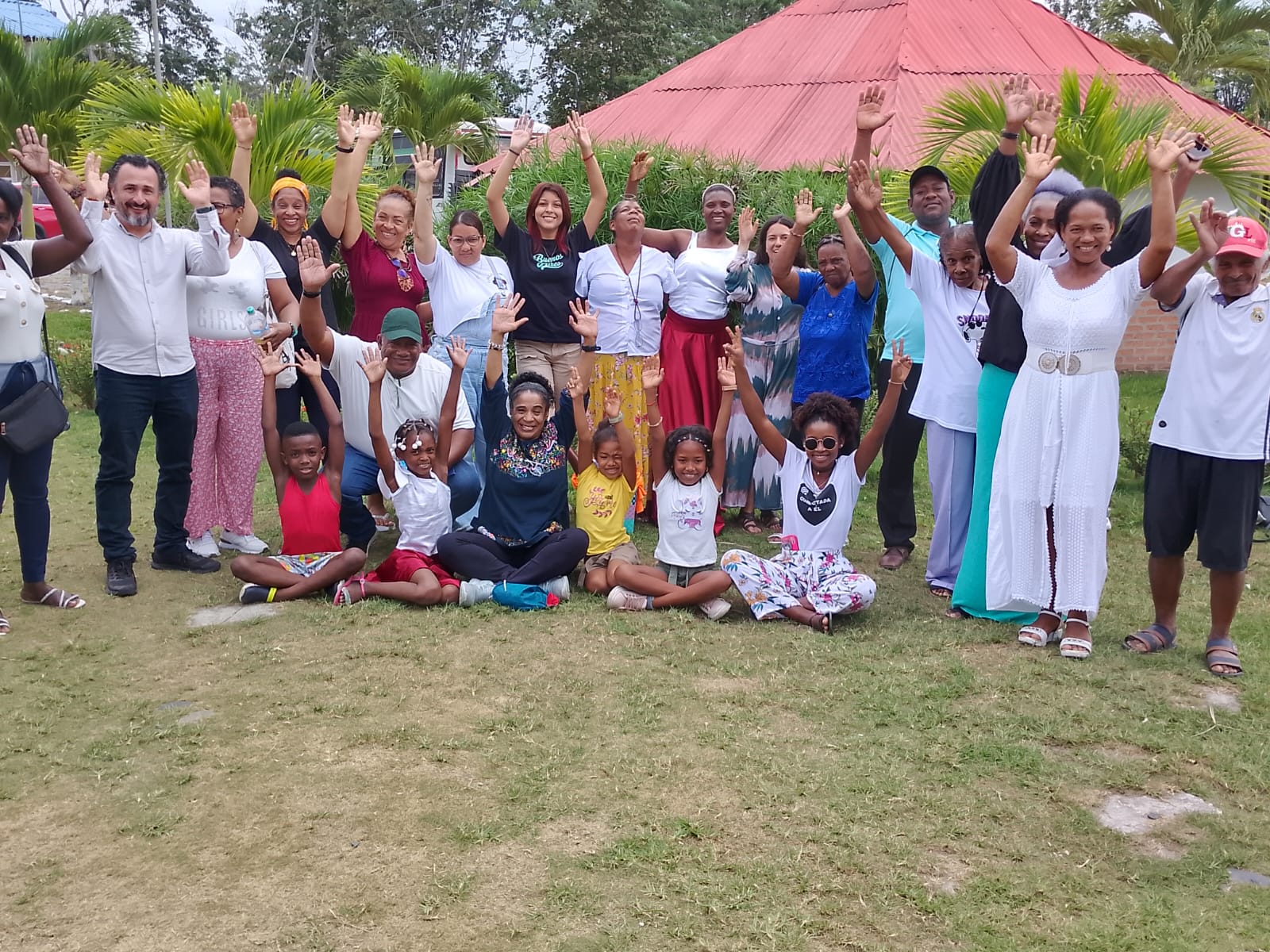
From December 13 to 15, 2024, a 15-hour training workshop on the Pre-Texts methodology was held in Tumaco, Nariño, with the participation of 30 local leaders and cultural agents. This initiative was part of the Zonas de Paz y Esperanza program led by the Colombian Ministry of Justice —specifically through the Directorate for Drug Policy and Related Activities— and was implemented by Cultural Agents, with the support of MSI Colombia.
Facilitated by Jenny Tenorio, Victoria Mena, and Carlos Correa (Cultural Agents Initiative, Harvard University), the workshop aimed to strengthen core skills in reading, critical thinking, and collaborative creation. Using the Pre-Texts participatory methodology—rooted in literature, arts, and open dialogue—participants explored new ways of promoting cultural engagement, civic participation, and peacebuilding.


Throughout five sessions held at Casa Verde, located on Isla del Morro (Tumaco), participants engaged in a series of activities designed to encourage creativity and deep reflection. These included collaborative readings, artistic interpretations of texts, and collective discussions. The workshop incorporated texts by authors such as Manuel Zapata Olivella, Eduardo Galeano, Jorge Luis Borges, and Arnoldo Palacios, allowing participants to explore themes of freedom, identity, and social justice through personal and collective lenses.
The group—composed primarily of women leaders, educators, community organizers, artisans, environmental defenders, and cultural promoters—embraced the methodology with enthusiasm. For many, it was their first experience combining artistic creation with critical literacy and civic dialogue. Even participants with limited formal literacy found ways to engage meaningfully with the process, highlighting the adaptability and inclusiveness of the approach.
By the end of the training, participants not only gained tools for facilitating Pre-Texts workshops themselves, but also developed plans to replicate the methodology within their own communities. The experience affirmed the power of art and dialogue to bridge differences, cultivate trust, and promote collective agency—key elements in advancing the goals of peacebuilding.